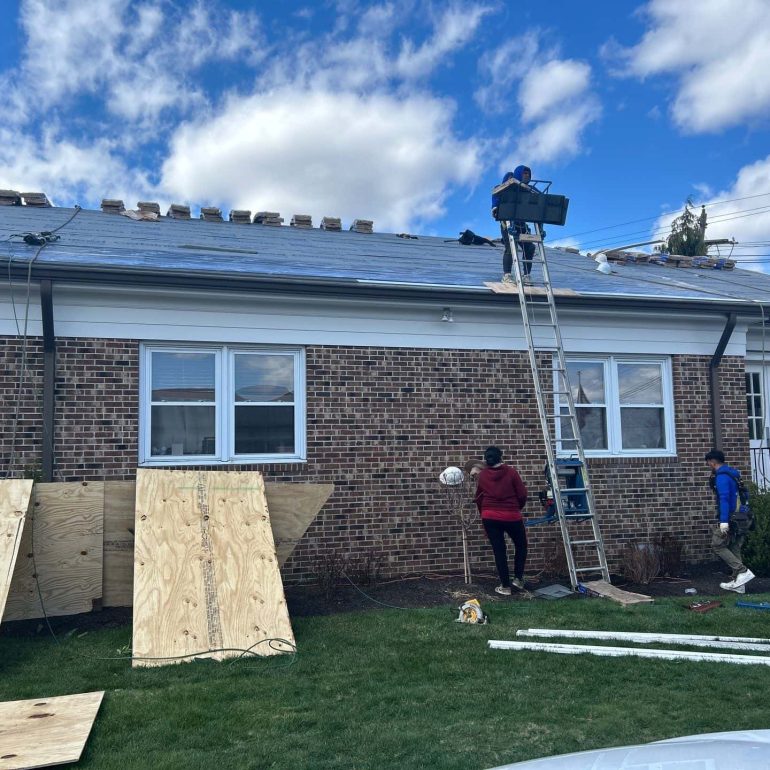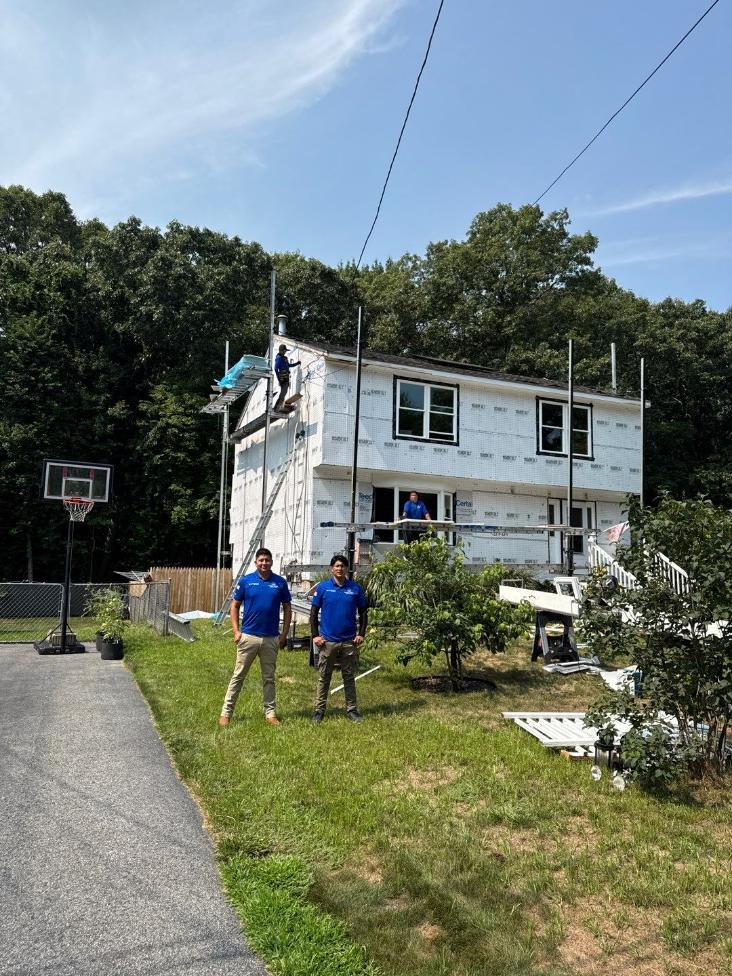
A home’s exterior performs best when every protective layer works together. One of the most overlooked yet essential parts of a new build or exterior renovation is the connection between the roofing system and the house wrap. Proper House Wrap and Roof Integration creates a continuous weather barrier that helps keep moisture out while improving energy efficiency and extending the life of the building envelope.
Many homeowners focus on roofing materials or siding styles, but the transition between these systems plays an equally important role. When installed correctly, this connection helps prevent water intrusion, air leaks, and hidden structural damage that can become expensive over time.
Why House Wrap and Roof Integration Matters
Rain, wind, and temperature changes constantly challenge a home’s exterior. A properly integrated roofing system and weather-resistant barrier direct water away from vulnerable areas before it can reach the framing or insulation.
Professional Residential Roofing contractors understand how roof flashing, drip edges, underlayment, and house wrap must overlap correctly to create an effective drainage plane. Even small installation mistakes can allow moisture to enter wall cavities, leading to mold, wood rot, and reduced insulation performance.
Proper planning during construction significantly lowers the risk of future repairs while improving the home’s overall durability.
Common Installation Mistakes That Lead to Moisture Problems
Exterior moisture issues are often caused by incorrect sequencing rather than poor materials. If flashing is installed behind the weather barrier instead of over it, water can become trapped inside the wall assembly.
Other common problems include:
- Improperly sealed window openings
- Gaps around roof penetrations
- Incorrect drip edge installation
- Poorly integrated step flashing
- Inadequate overlap between roofing components and house wrap
Hiring experienced Roof Installation Services helps ensure every layer works together as a complete protection system instead of separate components.
Benefits Beyond Leak Prevention
Correct exterior integration offers advantages that extend well beyond keeping water out. Homeowners often experience improved indoor comfort, lower energy bills, and better long-term structural performance.
Additional benefits include:
- Better resistance to wind-driven rain
- Improved insulation efficiency
- Reduced air infiltration
- Longer-lasting siding systems
- Enhanced protection for roof framing
- Greater overall property value
When roofing and exterior protection are installed as one coordinated system, every component performs more efficiently.
Choose RHODY Ridge Roofing for Exterior Protection
At RHODY Ridge Roofing, every roofing project is completed with attention to the entire building envelope—not just the shingles. Our experienced team carefully installs flashing, underlayment, ventilation components, and exterior weather barriers to provide reliable protection against Rhode Island’s changing weather conditions.
Whether you’re building a new home or upgrading an existing property, investing in professional Roofing Services helps safeguard your home for years to come while improving performance, efficiency, and peace of mind.
FAQ
What is house wrap and roof integration?
House wrap and roof integration is the process of connecting the roofing system with the exterior weather barrier to create continuous protection against moisture and air infiltration.
Why is proper flashing important during roof installation?
Flashing directs water away from roof joints, walls, chimneys, and windows, helping prevent leaks and structural damage.
Can poor roof integration cause energy loss?
Yes. Improperly installed roofing and weather barriers can allow unwanted air movement and moisture intrusion, reducing insulation performance and increasing heating and cooling costs.