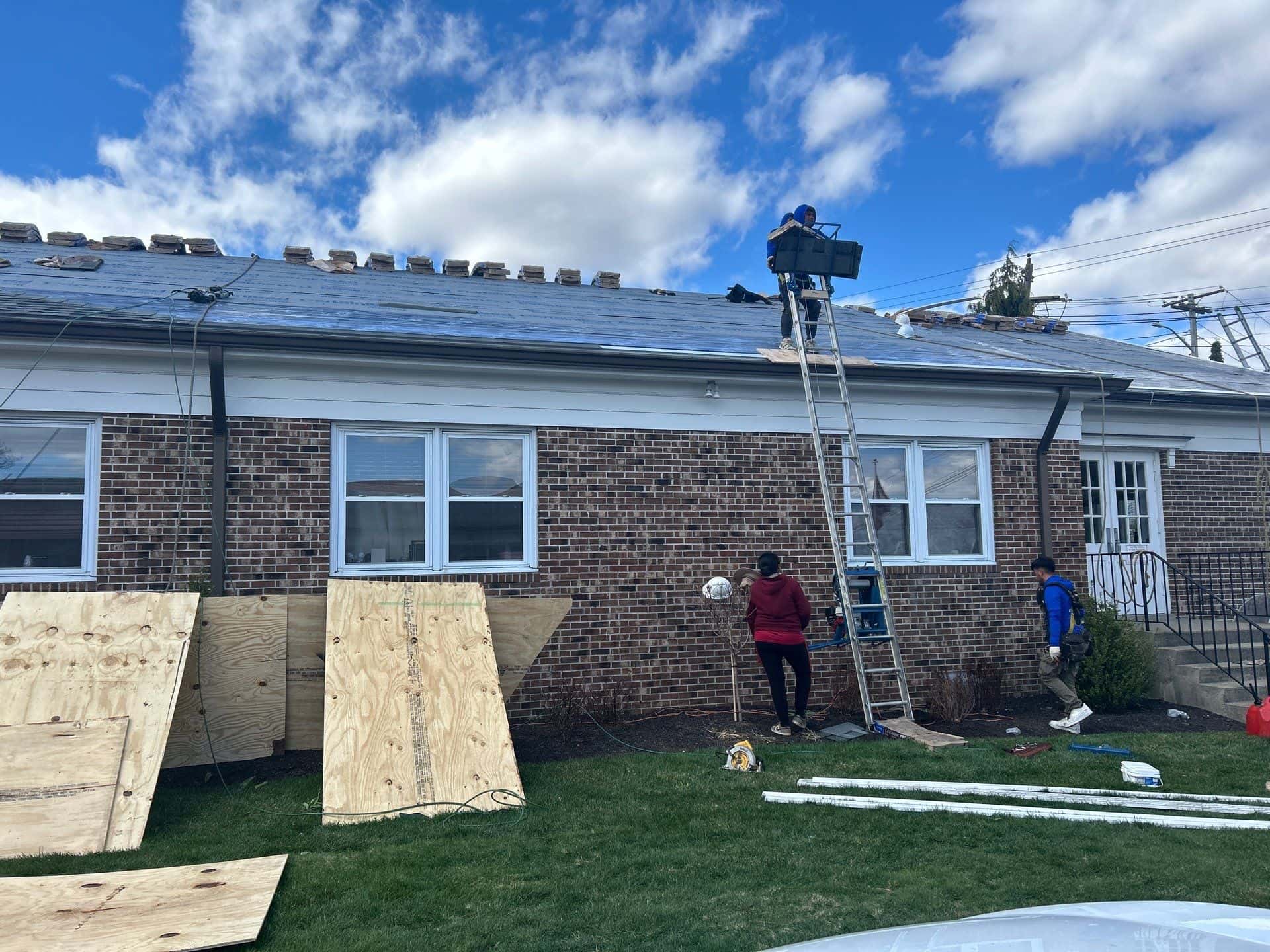
Choosing a professional roofing contractor is a major decision for any homeowner. Whether your roof has reached the end of its lifespan, sustained storm damage, or is showing Roof Repair Warning Signs, understanding the process can help you feel confident and prepared. A professional Residential Roofing Service involves much more than simply replacing shingles. From the initial inspection to the final cleanup, every step is designed to protect your home, improve durability, and ensure long-term performance. At RHODY Ridge Roofing, homeowners often ask what happens during a roofing project and what they should expect before work begins. This guide walks through the entire process so you know exactly what to anticipate.
Initial Roof Inspection and Project Evaluation
Every successful roofing project begins with a thorough inspection. A professional roofing contractor evaluates the current condition of the roof, identifies problem areas, and determines whether repairs or replacement are the most effective solution.
During this stage, contractors assess shingles, flashing, ventilation systems, decking, gutters, and other roofing components. They also look for hidden moisture damage, structural concerns, and signs of aging that may not be visible from the ground. This detailed assessment allows homeowners to receive accurate recommendations and realistic project expectations.
Many roofing issues develop gradually over time. Early identification of problems helps prevent costly damage and extends the life of the roofing system. If significant concerns are discovered, homeowners receive a clear explanation of the recommended scope of work and associated costs.
Preparing Your Home Before Roofing Work Begins
Proper preparation helps ensure the project runs smoothly and safely. Once the work is scheduled, homeowners should prepare both the interior and exterior of the property.
Inside the home, vibrations from roofing work may affect wall decorations, shelves, and fragile items stored in the attic. Removing or securing these items can help prevent accidental damage. Outside, vehicles should be moved away from the work area, and outdoor furniture should be relocated when possible.
Professional roofing crews also establish safety zones around the property and position equipment strategically to minimize disruption. Contractors typically coordinate material deliveries before installation day to keep the project on schedule.
| Project Stage | What Homeowners Can Expect |
|---|---|
| Inspection | Roof assessment, measurements, and recommendations |
| Preparation | Material delivery, site protection, and safety setup |
| Installation | Removal of old materials and installation of new roofing system |
| Cleanup | Debris removal, magnetic sweep, and property inspection |
| Final Review | Quality checks and project completion walkthrough |
What Happens During the Roofing Installation Process
The installation phase is often the most visible part of a roofing project. Professional crews begin by removing damaged or aging roofing materials to expose the underlying structure.
Once the roof deck is accessible, contractors inspect it for signs of rot, water damage, or deterioration. Any damaged sections are repaired before new roofing materials are installed. This critical step is often overlooked by inexperienced contractors but plays a significant role in long-term roof performance.
Next, protective underlayment and moisture barriers are installed to provide an additional layer of defense against weather exposure. Flashing around chimneys, vents, skylights, and roof penetrations is upgraded or replaced as necessary.
Finally, new roofing materials are installed according to manufacturer specifications and industry best practices. Proper installation ensures maximum durability, energy efficiency, and weather resistance.
Additional Exterior Components That May Be Evaluated
A quality roofing project often includes evaluating other exterior systems that work alongside the roof to protect the home.
For example, damaged gutters can negatively impact drainage and contribute to water intrusion. Many homeowners choose to address gutter concerns during roofing projects through Professional Gutter Services to improve overall water management.
Likewise, deteriorating siding can affect the building envelope and reduce protection against moisture. An experienced Siding Contractor may recommend repairs or upgrades when siding issues are discovered during the roofing process.
For property owners managing larger facilities, many of the same inspection and maintenance principles apply to Commercial Roofing systems. Regular evaluations help prevent unexpected repairs and extend roof lifespan.
Cleanup, Quality Control, and Final Walkthrough
One area where many competitor articles provide limited information is post-project quality assurance. A professional roofing contractor should never consider the job complete immediately after installation.
After the roofing work is finished, crews remove debris, collect discarded materials, and perform a thorough cleanup of the property. Magnetic equipment is often used to locate and remove stray nails from driveways, walkways, and landscaping areas.
The final walkthrough is equally important. Contractors inspect completed work, verify installation quality, and answer any homeowner questions. Warranty information, maintenance recommendations, and future inspection schedules may also be discussed during this stage.
This final review ensures homeowners fully understand their new roofing system and have confidence in the completed project.
Why Hiring a Professional Roofing Contractor Matters
A roofing project is a significant investment that directly impacts your home’s protection, appearance, and value. Working with an experienced roofing contractor ensures proper installation, compliance with building standards, and long-term performance.
From the initial inspection to the final quality check, professional roofing services provide homeowners with peace of mind and confidence that their property is protected. Whether you’re addressing Roof Repair Warning Signs or planning a complete roofing upgrade, choosing a trusted contractor can make the entire process more efficient and stress-free.
FAQ
How long does a professional residential roofing service usually take?
Most residential roofing projects can be completed within one to three days, depending on roof size, complexity, weather conditions, and the scope of work involved.
What should homeowners do before roofing work begins?
Homeowners should secure fragile items indoors, move vehicles away from the work area, clear outdoor spaces, and ensure contractors have access to the property.
Will roofing work damage my landscaping?
Professional roofing contractors take steps to protect landscaping using tarps, debris containment methods, and careful cleanup procedures throughout the project.
Are gutters inspected during a roofing project?
Yes. Many contractors inspect drainage systems and may recommend Professional Gutter Services if issues are identified that could affect roof performance.
How do I know if I need a roof repair or replacement?
A professional inspection is the best way to determine the appropriate solution. Factors such as roof age, damage severity, leaks, and structural condition all influence the recommendation.
References
RHODY Ridge Roofing Blog – Roof Repair Guide: Everything Homeowners Need to Know Before Fixing or Replacing a Roof
RHODY Ridge Roofing Blog – Roof Repair or Replacement Guide for Homeowners
RHODY Ridge Roofing Blog – Annual Roof Inspection
RHODY Ridge Roofing Blog – The Importance of Roofing Inspections After a Storm