A professional roof inspection is one of the most important steps homeowners can take to protect their property from expensive structural damage and unexpected repairs. Many roofing problems begin silently and remain hidden until leaks, mold, or interior water damage become severe. Regular inspections help identify these issues early before they turn into costly emergencies. At RHODY Ridge Roofing, homeowners often schedule inspections after storms, before buying a home, or when they notice possible Roof Repair Warning Signs such as missing shingles, ceiling stains, or sagging roof areas.
A complete roof inspection involves much more than simply looking at shingles from the ground. Professional inspectors carefully examine the roofing system, drainage components, ventilation, flashing, structural integrity, and other important areas that affect roof performance and long term durability.
Why Professional Roof Inspections Are Important
Roofs are constantly exposed to harsh weather conditions including rain, snow, wind, sunlight, and moisture buildup. Over time, even small roofing problems can weaken the structure and allow water intrusion beneath the surface.
Professional inspections help detect hidden issues before they create larger problems such as rotting decking, insulation damage, mold growth, or interior leaks. Inspections also help homeowners understand the overall condition and remaining lifespan of their roofing system.
For both residential and commercial properties, preventative inspections are often far less expensive than major roof repairs or full roof replacement projects later on.
Exterior Roof Inspection Process
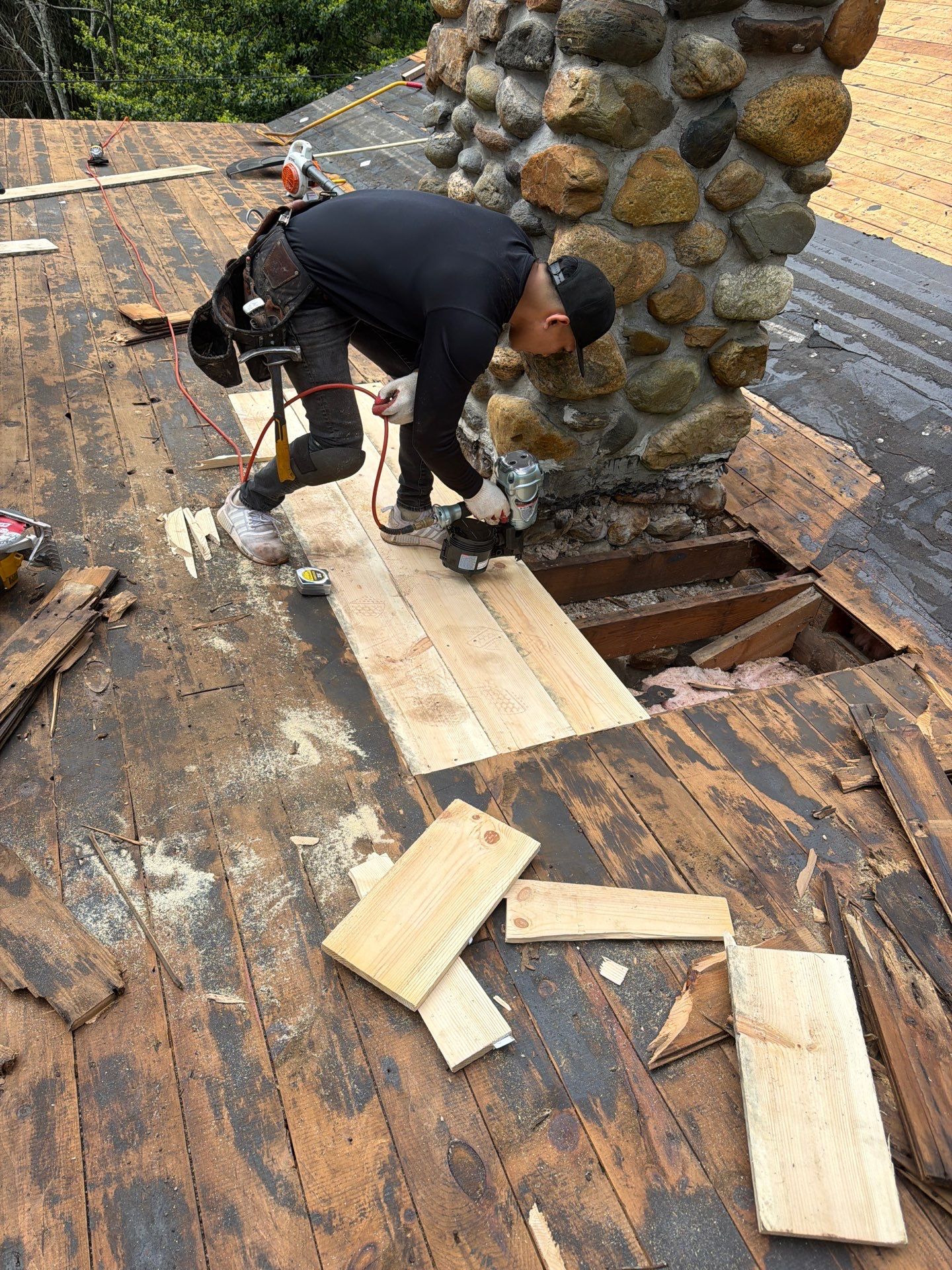
The exterior portion of the inspection focuses on visible roofing materials and structural conditions. Contractors carefully examine shingles, flashing, vents, chimneys, gutters, roof valleys, and drainage systems for signs of wear or damage.
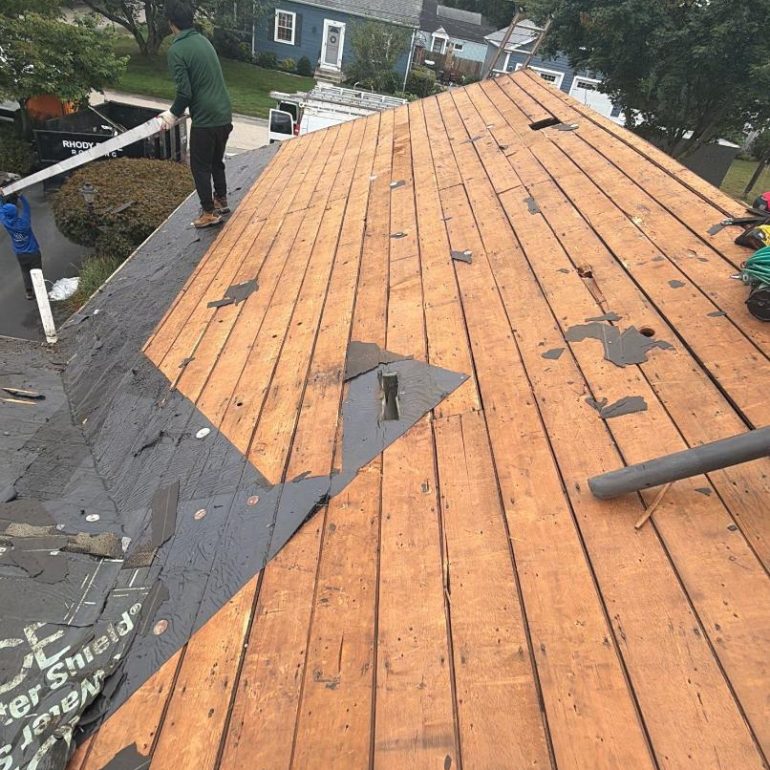
Inspectors look for cracked shingles, missing materials, loose flashing, soft roof areas, storm damage, and improper installation issues. Water pooling and poor drainage are also major concerns because trapped moisture can slowly damage roofing components underneath the surface.
Professional Residential Roofing Service inspections also include evaluating ventilation performance since improper airflow can shorten roof lifespan and increase attic moisture buildup.
Checking Roof Flashing and Drainage Systems
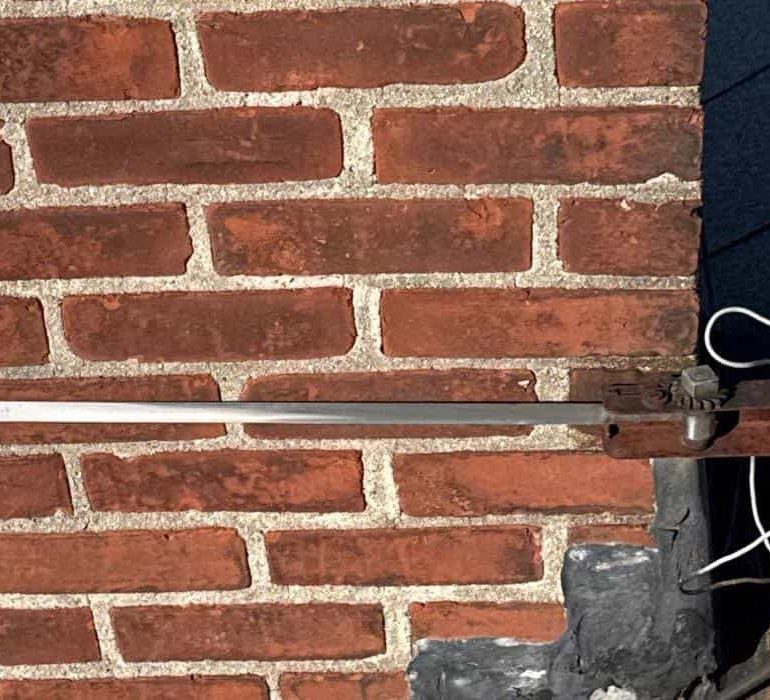
Roof flashing plays a major role in protecting vulnerable areas around chimneys, vents, skylights, and roof transitions. Damaged or improperly installed flashing is one of the most common causes of roof leaks.
Inspectors also evaluate gutters, downspouts, and drainage systems to ensure water flows away from the roof correctly. Professional Professional Gutter Services help prevent standing water, foundation damage, and moisture problems caused by clogged or damaged drainage systems.
Poor drainage can place excessive stress on roofing materials and increase the risk of long term structural deterioration.
Interior Attic and Structural Inspection
A professional roof inspection also includes checking interior attic conditions and structural components. Contractors inspect the attic for moisture stains, mold growth, insulation issues, poor ventilation, and signs of water intrusion.
Sunlight entering through roof boards, damp insulation, or musty odors may indicate hidden roof leaks that are not visible from the exterior. Structural inspections also help identify weakened decking, sagging roof sections, or wood rot caused by long term moisture exposure.
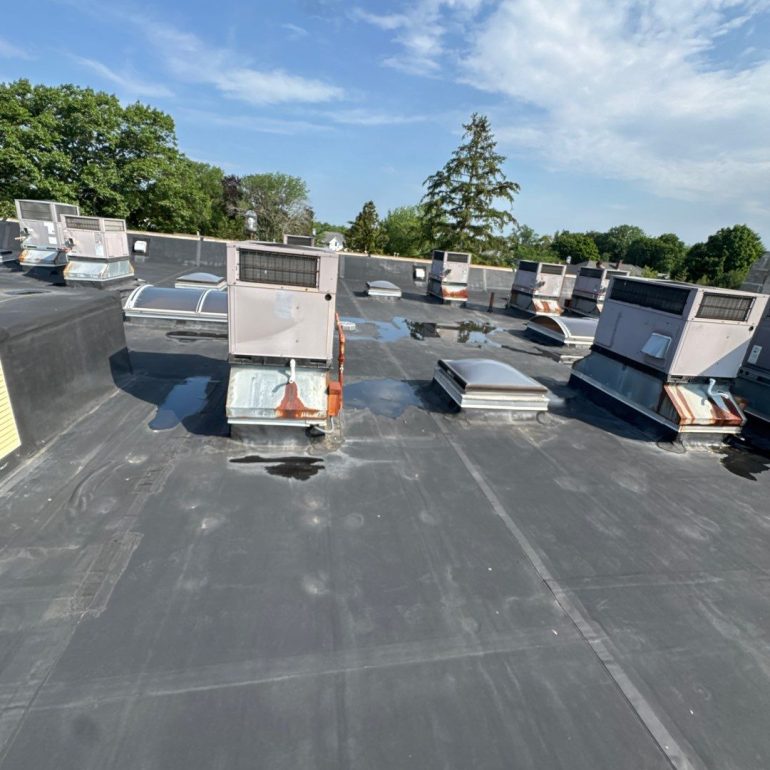
For larger Commercial Roofing systems, inspectors may also evaluate drainage slope performance and rooftop equipment areas where leaks commonly develop.
Common Problems Found During Roof Inspections
Many homeowners are surprised by the number of hidden problems discovered during professional inspections. Even roofs that appear normal from the ground may contain underlying damage beneath shingles or around flashing components.
Below is a simple overview of common roofing issues inspectors frequently identify during inspections.
| Roofing Problem | Possible Cause | Potential Risk |
|---|---|---|
| Missing or Cracked Shingles | Storm damage or aging materials | Water leaks and structural damage |
| Damaged Flashing | Improper installation or corrosion | Moisture intrusion |
| Poor Ventilation | Blocked airflow | Mold growth and heat buildup |
| Clogged Gutters | Debris accumulation | Water pooling and roof damage |
| Soft Roof Decking | Long term water exposure | Structural weakening |
How Long Does a Roof Inspection Usually Take
Most professional roof inspections take between 45 minutes and several hours depending on roof size, accessibility, weather conditions, and the complexity of the roofing system. Larger homes and commercial buildings generally require more detailed inspections.
If inspectors discover serious damage or structural concerns, additional testing or repair recommendations may also be necessary after the initial evaluation.
When Homeowners Should Schedule Roof Inspections
Roof inspections are recommended at least once or twice per year, especially after severe storms or extreme weather conditions. Homeowners should also schedule inspections before purchasing a property or if they notice visible signs of roof damage.
Properties with older roofing systems benefit greatly from routine inspections because aging materials become more vulnerable to leaks and structural problems over time.
Homeowners planning exterior improvements may also coordinate inspections with a professional Siding Contractor to evaluate the condition of nearby siding, trim, and drainage components.
Why Hiring Experienced Roofing Professionals Matters
Professional roof inspections require training, safety knowledge, and experience identifying hidden roofing problems. Inexperienced inspections may overlook serious issues that later become expensive repairs.
Experienced contractors understand how weather, ventilation, drainage, and installation quality affect roofing performance over time. They can also provide accurate repair recommendations, maintenance guidance, and long term solutions based on the condition of the roof.
Working with a trusted Roffing Company helps homeowners protect their investment while ensuring roofing systems remain safe, durable, and weather resistant for years to come.
Frequently Asked Questions
How often should a professional roof inspection be performed?
Most homeowners should schedule a roof inspection at least once every year and after major storms or severe weather events.
Can a roof inspection detect hidden leaks?
Yes. Professional inspections often identify hidden moisture problems, damaged flashing, attic leaks, and soft decking before visible interior damage appears.
Do roof inspections include gutters and drainage systems?
Yes. Inspectors usually evaluate gutters, downspouts, flashing, and drainage systems because they directly affect roof performance and water management.
What are common warning signs that a roof needs inspection?
Missing shingles, ceiling stains, sagging roof sections, mold growth, clogged gutters, and rising energy bills are common signs that a roof should be inspected.
Is a roof inspection necessary before buying a home?
Yes. A professional roof inspection helps buyers identify hidden roofing problems and avoid unexpected repair costs after purchasing the property.