Your roof works hard all year long, facing everything from heavy rain to harsh sunlight and winter snow. Ignoring maintenance can lead to costly repairs, structural damage, and even energy inefficiency. At RHODY Ridge Roofing, we understand how important proactive care is, especially when homeowners start noticing early Roof Repair Warning Signs. Whether you need Residential Roofing Service or large scale Commercial Roofing, following a seasonal maintenance plan can help you avoid unexpected problems and extend your roof’s lifespan.
Why Seasonal Roof Maintenance Matters
Many competitor guides focus only on basic inspections, but they often miss the importance of adapting maintenance to each season’s unique challenges. Your roof expands and contracts with temperature changes, collects debris differently throughout the year, and faces varying moisture levels. A structured seasonal approach ensures small issues are addressed before they turn into expensive repairs. It also improves energy efficiency and protects your home’s interior from leaks and mold.
Spring Roof Maintenance Tips
Spring is the perfect time to assess winter damage. Snow, ice, and freezing temperatures can weaken shingles and flashing.
Start with a full visual inspection from the ground. Look for missing shingles, sagging areas, or debris buildup. Clear gutters and downspouts to ensure proper drainage. Clogged systems can cause water to pool on your roof, leading to leaks.
Check for signs of mold or algae growth, especially in shaded areas. These can weaken roofing materials over time. If you notice water stains on ceilings or walls, it may indicate hidden leaks that need immediate attention.
Spring is also a good time to schedule professional inspections. A roofing contractor can identify hidden issues that are not visible to the untrained eye.
Summer Roof Maintenance Tips
Summer heat can be surprisingly damaging to your roof. Prolonged exposure to UV rays can cause shingles to crack, warp, or lose their protective granules.
Inspect your attic ventilation to ensure proper airflow. Poor ventilation traps heat, which can accelerate roof deterioration and increase energy bills. This is an area many competitor articles overlook but is critical for long term roof health.
Trim nearby trees to prevent branches from scraping against your roof during storms. Falling branches can cause significant damage, especially during summer thunderstorms.
Also, check flashing around chimneys, vents, and skylights. Heat expansion can loosen these areas, making them vulnerable to leaks during sudden rain.
Fall Roof Maintenance Tips
Fall preparation is crucial because it sets your roof up for winter. Leaves and debris can quickly accumulate, blocking gutters and causing water backup.
Clean gutters thoroughly and ensure water flows freely away from your home. This step is essential for preventing ice dams later in winter.
Inspect shingles for cracks or curling edges. Replace any damaged sections before temperatures drop. Cold weather can make repairs more difficult and costly.
Seal any small gaps or openings where water could enter. This is also a great time to evaluate your siding. Hiring a reliable Siding Contractor can improve overall exterior protection and energy efficiency.
Winter Roof Maintenance Tips
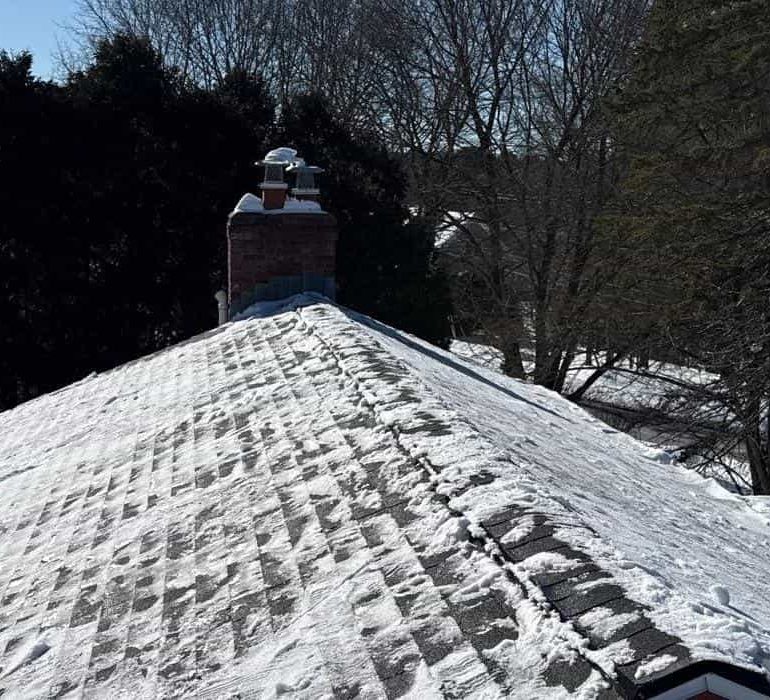
Winter is the toughest season for any roof. Snow accumulation, ice buildup, and freezing temperatures can create serious risks.
Regularly remove excess snow using a roof rake to prevent structural strain. Be careful not to damage shingles in the process.
Watch for ice dams forming along the edges of your roof. These occur when heat escapes from your attic, melting snow that later refreezes. Proper insulation and ventilation can help prevent this issue.
If you notice icicles forming, it may indicate poor drainage or insulation problems. Addressing these early can save you from costly repairs.
Avoid climbing onto your roof during winter. Instead, rely on professionals for safe inspections and repairs.
Seasonal Roof Maintenance Checklist
| Season | Key Maintenance Tasks |
|---|---|
| Spring | Inspect for winter damage, clean gutters, check for leaks and mold |
| Summer | Check ventilation, inspect flashing, trim trees, monitor UV damage |
| Fall | Remove leaves, repair shingles, seal gaps, prepare for cold weather |
| Winter | Remove snow buildup, prevent ice dams, monitor insulation |
When to Call a Professional Roofing Contractor
While DIY maintenance is helpful, some issues require expert attention. If you notice persistent leaks, sagging areas, or extensive damage, it is time to contact a professional. RHODY Ridge Roofing offers reliable solutions, including Professional Gutter Services to ensure proper drainage and protect your home year round.
Homeowners and businesses alike benefit from routine inspections and timely repairs. Whether you need minor fixes or a complete upgrade, working with experienced professionals ensures long term durability and peace of mind.
Conclusion
Seasonal roof maintenance is not just a recommendation it is a necessity. By taking proactive steps throughout the year, you can prevent costly repairs, improve energy efficiency, and extend the life of your roof. Each season brings its own challenges, and staying ahead of them ensures your home remains safe and protected.
If you want expert guidance or need professional services, do not hesitate to reach out to a trusted roofing contractor. Consistent care today can save you thousands in the future.
FAQ
How often should I inspect my roof?
You should inspect your roof at least twice a year, ideally in spring and fall. It is also important to check your roof after severe weather conditions such as storms, heavy rain, or snowfall to catch any early damage.
What are the most common roof problems?
Common roof problems include missing or damaged shingles, leaks, poor ventilation, clogged gutters, and issues with flashing. These problems can lead to bigger structural damage if not addressed on time.
Can I do roof maintenance myself?
You can handle basic maintenance tasks like cleaning gutters and doing a visual inspection from the ground. However, for anything involving repairs or climbing onto the roof, it is safer and more effective to hire professionals.
How long does a roof typically last?
A roof typically lasts between 20 to 30 years depending on the materials used, weather conditions, and how well it has been maintained over time.
When should I replace my roof instead of repairing it?
You should consider replacing your roof if it has widespread damage, recurring leaks, or is close to the end of its lifespan. In many cases, replacement becomes more cost effective than ongoing repairs.