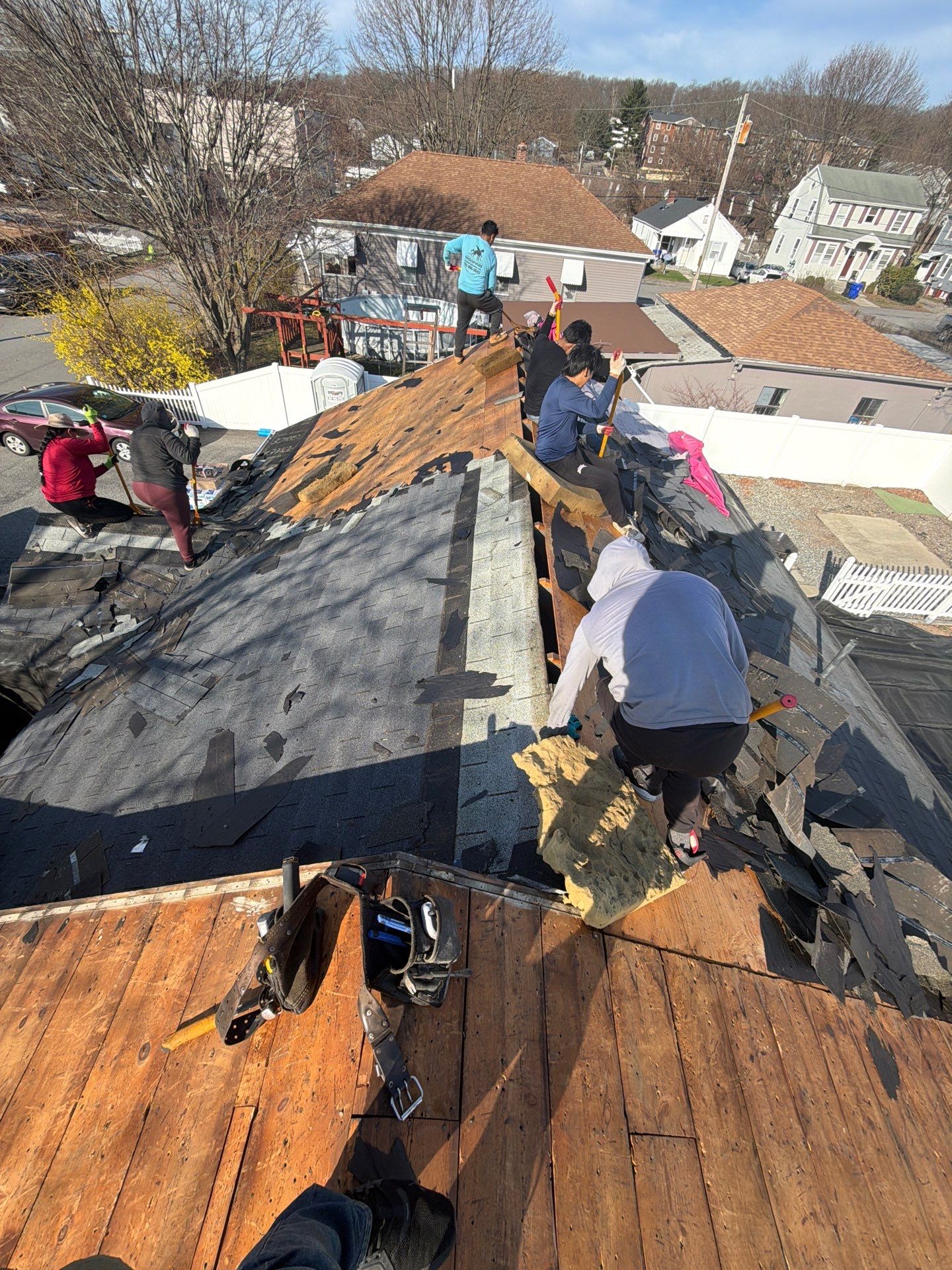
Choosing between a flat roof and a sloped roof is one of the most important decisions property owners make when building, replacing, or upgrading a roof. At RHODY Ridge Roofing, many homeowners ask which option offers better value, durability, and long term performance. The answer depends on your property design, climate, budget, and maintenance goals. Whether you need Residential Roofing Service for a home renovation or planning a new structure, understanding the strengths and weaknesses of each roof style helps you make the right investment.
Understanding Flat Roofs and Sloped Roofs
A flat roof is not completely flat. It usually has a slight pitch that allows water drainage through internal drains, scuppers, or gutters. Flat roofs are common on commercial buildings, modern homes, garages, and additions. They create a clean architectural look and can provide usable rooftop space.
A sloped roof has a noticeable pitch that helps rain, snow, and debris slide off more easily. This style is popular on residential homes because it offers reliable drainage, classic curb appeal, and strong weather resistance. Sloped roofs can be built in many designs such as gable, hip, mansard, and shed styles.
Flat Roof Pros and Cons
Flat roofs are often chosen for modern design and practical functionality. They can be more affordable to install because they use fewer materials and simpler framing. Maintenance access is also easier since technicians can walk on the surface more safely during inspections or repairs. Many owners use flat roofs for solar panels, HVAC units, rooftop seating, or green roof systems.
However, drainage is the biggest challenge. Water can pond if drains clog or if the roof membrane ages. Flat roofs usually require more regular inspections and maintenance to avoid leaks. In colder climates, standing snow and ice can add stress if not properly managed. Membrane lifespan depends on the system used, such as TPO, EPDM, or modified bitumen.
Sloped Roof Pros and Cons
Sloped roofs are known for excellent water shedding and long term durability. Rain and snow naturally move off the roof faster, reducing the risk of ponding water and moisture damage. They also provide attic space that can improve insulation and ventilation when properly designed. Many buyers prefer the traditional appearance of a sloped roof, which may improve resale value.
The main downside is cost. Sloped roofs usually require more framing materials, underlayment, and labor. Repairs can also be more difficult because of the angle and height. Severe winds may damage shingles if installation quality is poor. Still, for many homes, a sloped roof remains the most dependable option.
Quick Comparison
| Feature | Flat Roof | Sloped Roof |
|---|---|---|
| Installation Cost | Usually lower | Usually higher |
| Drainage | Moderate with proper system | Excellent |
| Maintenance | More frequent inspections | Less frequent overall |
| Usable Space | High rooftop use potential | Limited |
| Curb Appeal | Modern style | Traditional style |
| Snow Performance | Needs monitoring | Better natural shedding |
Which Roof Is Better for Homes
For most residential properties, sloped roofs are often the better long term solution because they handle weather well and offer familiar design appeal. If your area receives frequent rain, snow, or falling leaves, a sloped roof may reduce maintenance headaches. If you are comparing replacement options, this is also the right time to look for Roof Repair Warning Signs such as curling shingles, sagging sections, interior stains, or granule loss.
Flat roofs can still be an excellent choice for contemporary homes, home additions, and garages where design simplicity or rooftop access matters more than attic space. A properly installed flat roof with quality materials can perform very well for years.
Which Roof Is Better for Businesses
Commercial buildings often choose flat roofs because they make equipment placement easier and maximize usable square footage. Flat systems are common for warehouses, offices, retail centers, and multi unit properties. If you own a business property, professional Commercial Roofing planning should include drainage design, insulation efficiency, and long term maintenance budgeting.
Cost, Lifespan, and Maintenance Considerations
Flat roofs may cost less upfront, but they often need more scheduled maintenance. Sloped roofs may cost more initially, yet many systems deliver longer service life with fewer drainage issues. Material choice matters just as much as roof shape. Asphalt shingles, metal roofing, slate, TPO, and EPDM all have different performance levels.
Exterior systems also work together. Good siding and gutters help protect the roof edge and foundation. If your property needs a full exterior upgrade, combining roofing with a trusted Siding Contractor and Professional Gutter Services can improve value and weather protection.
How to Choose the Right Roof for You
The best roof depends on your priorities. Choose a flat roof if you want modern aesthetics, rooftop functionality, and easier access. Choose a sloped roof if you value strong drainage, classic appearance, and lower long term leak risk. Climate, budget, local codes, and building structure should always be reviewed before making a final decision.
Working with an experienced roofing contractor ensures proper ventilation, flashing, waterproofing, and material selection. Poor installation causes more roofing failures than roof shape alone.
Need Expert Roofing Help
If you are unsure whether a flat roof or sloped roof is right for your property, RHODY Ridge Roofing can inspect your current system and recommend the best solution for your budget and goals. From repairs to full replacements, expert guidance helps you avoid expensive mistakes.
FAQ
Is a flat roof cheaper than a sloped roof?
In many cases, yes. Flat roofs often have lower installation costs because they require less framing and fewer materials.
Do sloped roofs last longer?
They often do, especially in wet or snowy climates, because they drain water more efficiently.
Are flat roofs more likely to leak?
Not always, but poor drainage and lack of maintenance can increase leak risk over time.
What roof adds more home value?
Many buyers prefer sloped roofs for appearance and durability, though modern homes may benefit from a well designed flat roof.
How do I know if I need roof replacement?
Watch for leaks, sagging, missing shingles, repeated repairs, or aging materials. A professional inspection is the best next step.