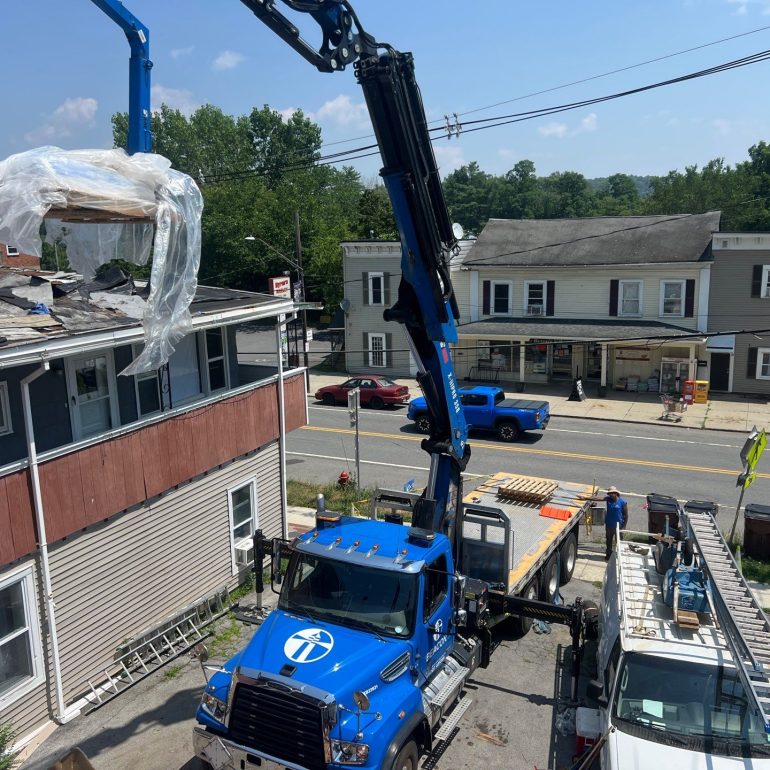
Climbing onto your roof may seem like a simple task but it can be dangerous without proper preparation and safety knowledge. Many homeowners attempt roof inspections or minor repairs without understanding the risks involved. Whether you need to check for damage clean gutters or inspect shingles knowing how to safely access your roof using a ladder is essential. If you are unsure about safety or roof condition it is always best to contact a professional roofing contractor like RHODY Ridge Roofing and Siding for Residential Roofing Service, Commercial Roofing, Siding Contractor, and Professional Gutter Services to ensure the job is done safely and correctly.
Why Ladder Safety Is Important for Roof Access
Every year thousands of homeowners are injured due to ladder related accidents. The most common causes include improper ladder angle unstable ground incorrect ladder height and lack of safety equipment. When climbing to your roof you are working at height which increases the risk of serious injury if the ladder slips or loses balance. Proper ladder setup and safety precautions significantly reduce these risks and make roof access much safer.
Another important reason for ladder safety is protecting your roof and gutters. Placing a ladder incorrectly can damage gutters siding or roof edges which can lead to costly repairs later. Safe ladder positioning protects both you and your property.
Choosing the Right Ladder for Roof Access
Not all ladders are suitable for roof access. Using the wrong ladder is one of the most common mistakes homeowners make. Extension ladders are generally the best choice because they can reach higher roof edges and provide better stability.
Below is a simple guide to help you choose the correct ladder.
| Ladder Type | Best Use | Safety Level |
|---|---|---|
| Step Ladder | Indoor work and low height areas | Low |
| Extension Ladder | Roof access and exterior work | High |
| Multi Position Ladder | Roof edge and uneven ground | Medium |
| Roof Ladder | Working directly on roof surface | Very High |
Always make sure your ladder extends at least three feet above the roof edge so you have something to hold onto when stepping onto the roof.
How to Set Up a Ladder Safely
Proper ladder setup is the most important step when accessing your roof. The ladder should be placed on stable and level ground. Never place a ladder on snow mud or uneven surfaces because it can slip easily.
Follow these safety steps when setting up a ladder.
Place the ladder at a safe angle using the four to one rule. For every four feet of height the ladder base should be one foot away from the wall. Secure the ladder at the top if possible to prevent movement. Make sure the ladder extends above the roof edge. Always maintain three points of contact when climbing which means two hands and one foot or two feet and one hand.
These simple steps can prevent most ladder accidents.
Common Mistakes Homeowners Make When Climbing a Roof
Many homeowners make small mistakes that can lead to serious accidents. One common mistake is carrying tools while climbing. Always use a tool belt or rope to pull tools up after you reach the roof.
Another mistake is climbing the ladder during bad weather. Never climb onto a roof when it is raining windy or icy because the ladder and roof surface will be slippery. Wearing proper shoes with good grip is also very important.
Overreaching while on a ladder is another dangerous mistake. Always keep your body centered between the ladder rails to maintain balance.
When You Should Not Climb Onto Your Roof
There are situations where climbing onto the roof is not safe for homeowners. If your roof is very steep high or damaged it is best to call a professional. Walking on damaged shingles can cause more damage and increase repair costs.
If you see signs like sagging roof areas major leaks loose shingles or structural damage you should contact a roofing contractor instead of attempting to inspect it yourself. Professional roofers have safety equipment and training to handle dangerous roof conditions safely.
Roof Inspection Tips After Climbing the Ladder
Once you safely access the roof you should know what to look for during an inspection. Look for missing or damaged shingles cracked flashing clogged gutters moss growth and soft spots on the roof surface. These are common signs of roof problems that may lead to leaks.
Regular inspections help detect problems early and prevent expensive repairs. Many homeowners schedule inspections twice a year especially after winter and after major storms.
DIY Roof Access vs Hiring a Professional
While some homeowners feel comfortable using a ladder and inspecting their roof many situations require professional experience. A professional roofing contractor can identify hidden damage that homeowners may not notice.
Hiring a roofing company also reduces the risk of injury and ensures proper repair work. If you are not comfortable climbing a ladder or walking on a roof it is always safer to hire professionals who have the right equipment and safety training.
Preventing Roof Damage While Using a Ladder
To prevent roof and Storm damage, always use ladder stabilizers. Ladder stabilizers help distribute weight evenly and prevent gutters from bending. Never lean the ladder directly against gutters because they can bend or break.
You should also avoid dragging the ladder across shingles because it can remove protective granules and reduce the lifespan of your roof.
Frequently Asked Questions
What is the safest ladder angle for roof access
The safest ladder angle follows the four to one rule. For every four feet of ladder height the base should be one foot away from the wall to maintain stability.
How far should a ladder extend above the roof
A ladder should extend at least three feet above the roof edge to provide safe support when stepping onto or off the roof.
Can I climb onto my roof by myself
It is not recommended to climb alone. Always have someone hold the ladder and assist in case of emergency.
What shoes should I wear when climbing a roof
Wear rubber sole shoes with good grip to prevent slipping on ladder rungs and roof shingles.
When should I call a roofing contractor instead of climbing the roof
You should call a roofing contractor if your roof is steep damaged leaking or if you are not comfortable working at heights.
Conclusion
Learning how to safely access your roof using a ladder is important for every homeowner who wants to perform basic roof maintenance and inspections. Using the right ladder placing it correctly and following safety precautions can prevent injuries and property damage. However not all roof situations are safe for homeowners to handle alone. If you are unsure about your roof condition or need professional help it is always best to contact a roofing company for inspection and repairs to ensure your home stays safe and protected for years to come.